Friday, 10 October 2014

Why Drinking Tea Can Help You Live Longer – And Lose Weight

Well this news certainly perked up our Monday morning.

Drinking tea can help you live longer, according to a new study.

So do we. [Etsy]So do we. [Etsy]Research shows that people that drink tea have a 25 percent less chance of dying early than those that don’t drink tea.

The benefits of tea are largely due to its antioxidant ingredients – and it doesn’t matter whether how much tea you drink or whether you add milk.

The antioxidants in tea help to boost heart health [Rex]The antioxidants in tea help to boost heart health [Rex]French researchers studied 131,401 people aged between 18 and 95 over seven years.

During that time (2001-2008), there were 95 deaths from cardiovascular causes and 632 deaths from non-cardiovascular causes.

Tea drinkers live longer [Rex]Tea drinkers live longer [Rex]


Participants were questioned about how much tea they drank and classified as non-tea drinkers, to moderate (one-four cups) to heavy tea drinkers (more than four cups).

Tea drinkers had lower blood pressure and were generally healthier than their coffee-drinking counterparts – or those people that didn’t drink tea at all.

Unfortunately coffee drinkers didn't fare as well.Unfortunately coffee drinkers didn't fare as well.Coffee drinkers came off the worst, with 57 percent of heavy coffee drinkers being smokers (so coffee and cigarettes go hand-in-hand, after all).

“Overall we tend to have a higher cardiovascular risk profile for coffee drinkers and a lower risk profile for tea drinkers,” said Professor Danchin, who led the study in Paris, France.

“Tea drinking lowered the risk of non-cardiovascular death by 24 per cent and the trend towards lowering cardiovascular mortality was nearly [statistically] significant.”

Drinking tea could help people lose weight too [Rex]Drinking tea could help people lose weight too [Rex]But it’s not the only reason we’ll be sipping on our builder’s brew come 3pm, as tea has also been found to boost your metabolism while milk provides calcium, too.

Studies have shown that tea can also help you lose weight. It contains compounds that prevent some of the fat you eat being absorbed by the body.

Now who wants a cuppa?

https://uk.lifestyle.yahoo.com/why-drinking-tea-can-help-you-live-longer-–-and-lose-weight-115735258.html

Tuesday, 7 October 2014

Weight loss tips

Many doctors now believe that when it comes to your health, your waist measurement is important.
Download Losing weight - Getting started, a 12-week weight loss guide combining advice on healthier eating and physical activity.
While knowing your body mass index (BMI) is a good way to decide if you're overweight, it doesn't tell the whole story.
BMI is a measure of how healthy your weight is for your height. You can work out what your BMI is by using our BMI healthy weight calculator.
If you have a high BMI, you're likely to be carrying extra fat. But your health could be at greater risk depending on where you store that fat.
Having a large amount of tummy fat (compared to fat around your bottom or thighs) makes you more likely to develop diabetes and heart problems.
A healthy waist circumference for men is less than 94cm (37 inches), and for women it’s less than 80cm (32 inches).
Losing weight and keeping it off isn’t easy, but it has many benefits. You may only need to make small changes to your lifestyle to maintain a healthy weight.

Why lose weight?

Obesity causes 9,000 premature deaths in England every year and reduces life expectancy by an average of nine years.
It's also linked to serious health problems and increases the risk of type 2 diabetes, heart disease and cancers of the breast, colon and prostate.
Most people who are overweight can blame their excess weight on eating more calories than they burn.
That means there are two main options if you want to lose weight: eat less or do more physical activity. The best way to lose weight is a combination of the two.

Weight loss tips

You can reduce your risk of obesity-related health problems by losing weight through eating more healthily and doing more physical activity.
There are many articles to help you attain a healthy weight in ourlose weight section.
You can cut down on calories by making simple healthy food swaps in your everyday diet.  
It’s not just small changes to your eating habits that can make a big difference. Getting more physical activity also helps you shed the pounds. You can do it in just three short bursts each day with these ten-minute workouts.
Even if you're well on the way to your target weight, there'll be plenty of temptation to overindulge. See our tips on how to avoid the diet danger zones.
One excuse for choosing a quick, fat-laden supper is that healthy eating is expensive. Learn how to eat well on the cheap, saving the pennies as well as calories.
Two-thirds of dieters regain all the weight they've lost within four years.

Saturday, 4 October 2014

Could Broccoli Help Beat Autism?

We already know that Broccoli is something of a miracle veg, but now it seems that children and young people with autism could feel even more benefit from the tasty little trees.
The humble green veggies offer a wide range of essential nutrients such as folate, vitamin C and calcium, as well as protecting against cancer, inflammation and even looking after your heart.Beautiful broccoli (Flickr/steffenz)Beautiful broccoli (Flickr/steffenz)
And researchers have been looking into how a particular chemical found in broccoli affects those with autism.
The chemical - sulforaphane - is what gives broccoli its slightly bitter taste, and the research at MassGen Hospital for Children and Johns Hopkins University in the US, seems to suggest it can calm autistic people and help them be more sociably comfortable.
Professor of pharmacology Dr Paul Talalay, who worked on the project said: "It was a small study but the effects were very, very large.
"We believe that this may be preliminary evidence for the first treatment for autism that improves symptoms by apparently correcting some underlying cellular mechanisms."

In the study 44 boys and men between the ages of 13 and 27 were either given a pill form of sulforaphane or a placebo before undergoing assessments on their behaviour.
Those who were given the real substance showed definite improvements - aggression and irritability were reduced, energy was increased and the subjects found it easier to communicate and socialise.
Though the trials were blind, both parents and researchers were able to tell which subjects had been given the real pill and which hadn't, because the change in behaviour was so great.
Researcher Dr Andrew Zimmerman said: "The results seen on the social responsiveness scale were particularly remarkable.
"I’ve been told this is the first time that any statistical improvement on the social responsiveness scale has been seen for a drug in autism spectrum disorder."Having a hot bath has been found to help temporarily reduce children's autism symptoms (REX)Having a hot bath has been found to help temporarily reduce children's autism symptoms (REX)
Autism is a common disorder that's on the rise (in the UK diagnoses are 10 times higher than 30 years ago). It affects people's ability to communicate and socialise with others, often requiring very strict routine. Sufferers can become agitated and aggressive and find it hard to express themselves within normal social boundaries.
While many drugs help with individual symptoms, experts are still hunting for something that will tackle the condition as a whole.
Is there anything broccoli can't help with?
(Well actually, other substances in it, glucosinolates, are thought to affect iodine absorption and could potentially cause problems for people with thyroid conditions. If that's you, it's a good idea not to go overboard on your broccoli smorgasbord. But for most people you can chow down as much as you like.)


Friday, 3 October 2014

7 Essential Autumn Foods To Add To Your Diet This Month

7 essential autumn foods7 essential autumn foods

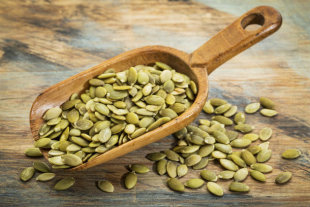
Pumpkin seeds

When you’re carving your pumpkins this Halloween, put the seeds to one side to bag yourself a supply of one of the healthiest autumn snacks out there.
With the nights drawing in and the weather worsening, pumpkin seeds make for the perfect autumn mood booster because of their high levels of L-tryptophan. This amino acid increases the body’s production of the hormone serotonin, which regulates your mood and helps you to sleep.
Pumpkins seeds are also full of minerals including zinc, iron and manganese, and contain cholesterol-blasting compounds called phytosterols.

Dates

If you want to lose weight this autumn and need something to snack on between meals, look no further than dates. Researchers at the University of Liverpool found that dieters who ate dried fruits such as dates lost 0.5kg more than other dieters over a 12-week study.  
When the participants were quizzed by the researchers, it was found that eating dried fruit consistently made them feel fuller between meals, meaning unhealthy snacks were far less tempting.
With around 31 grams per serving, you can’t go wrong with pomegranate as a mid-afternoon snack if you’re starting to slump and need an energy boost. 

Kale

Although it grows throughout summer, the kale that comes into season in autumn has a slightly sweeter taste due to the cooler weather, so there’s no better time than now to eat this nutrient-filled leafy green.
Eating kale is a great way of ensuring you get all your important vitamins this autumn, as it contains some of the most essential vitamins including B, C, A and K to name a few.
As well as being rich in just about every nutrient you need, kale is also a proven cancer fighter. A study published in the Journal of Postgraduate Medicine found that the high levels of glucosinolate compounds in kale reduce the risk of a variety of cancers, and in particular help to prevent colon cancer.

Maple syrup

Because no refinement takes place in the maple syrup production process, it still retains all of its nutritional content, including plenty of calcium to improve bone health, and potassium to reduce blood pressure and maintain a healthy cardiovascular system.
Research published in the Journal of the American Dietetic Association found that maple syrup contains no fewer than 24 different antioxidants, which well help you fight off disease throughout autumn.
As with any food that is high in sugar, maple syrup should only be used in moderation. Luckily, its strong taste means you only need a small amount to sweeten up your food and enjoy its multitude of health benefits.

Aubergines

Aubergines can be cooked in such a huge variety of ways that pretty much everyone can enjoy them in some form or another. And enjoy them you should, as they are positively packed with minerals and high in fibre, while being low in fat.
When you prepare your aubergines, make sure you leave the skin on. This outer layer contains essential phytonutrients, which have been linked with a healthier circulatory system.

Pecans

Pecans often get a bad rep because they’re usually found in highly calorific desserts, but on their own they make for a super healthy snack.
In one serving of pecans you’ll find 11% of your recommended daily fibre intake, meaning they’re great to snack on throughout the day to keep your gastrointestinal system performing properly and improve digestion.
A 2011 study at the University of California investigated further healthy attributes of pecans, and found that their high antioxidant content also lowered disease levels and cancer risk amongst participants.

Pomegranates 

Pomegranates are perfect in salads or when used as the base for a marinade. This zingy fruit is an undisputed superfood, having been used for its curative properties for thousands of years.
As with so many other autumn foods, pomegranates are extremely high in disease preventing antioxidants. A study published in Rambam Maimonides Medical Journal found that pomegranate juice has more antioxidants than green tea, blueberry juice and red wine.
Eating pomegranates comes with the added bonus of ensuring you stay looking your best throughout autumn. They contain punicic acid, which has been found to improve skin elasticity and reduce wrinkles.

Wednesday, 1 October 2014

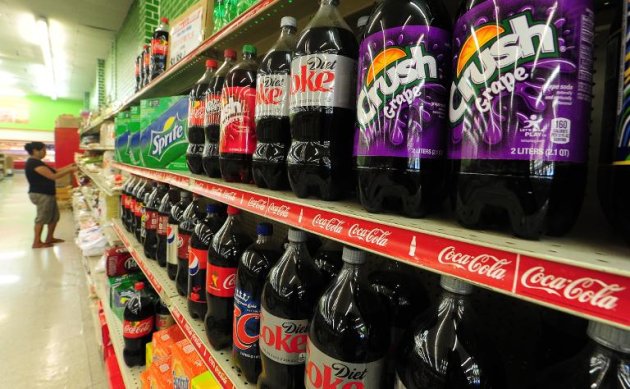
US beverage giants vow to cut calories to fight obesity

US soft-drinks giants Tuesday promised to work to reduce the country's beverage calorie consumption by 20 percent by 2025 in a campaign to counter obesity trends.
Coca-Cola, PepsiCo and Dr. Pepper Snapple pledged to provide smaller-sized bottles, and more water and other low- or no-calorie beverages, to the market to help bring down per-person consumption of their high-sugar drinks.
They also agreed to better publicize calorie counts on vending machines, retail coolers and all drink-vending equipment controlled by the companies.
Appearing at an event organized by the Clinton Global Initiative in New York, representatives from each signed a voluntary initiative to employ marketing and consumer outreach to prod consumers to drink fewer sugary drinks and promote calorie awareness.
The goal is to cut calories from drinks by 20 percent per person within a decade.
The initiative comes as Coca-Cola, PepsiCo and others struggle with flagging sales in their home market. Coca-Cola reported flat sales in North America in the most recent quarter.
Regulators in New York City, California and other venues have proposed measures to cut drink size or enhance labeling requirements.
The companies also said they would intensify awareness campaigns and promotion of healthier beverages in communities where there have been fewer options to often sugar-laden soft drinks.
They will retain an independent evaluator to track progress, in conjunction with an advocacy group set up by the Clinton Foundation, founded by former president Bill Clinton, and the American Heart Association.
Public health advocates said the measures did not go far enough.
The Center for Science in the Public Interest, a public-interest advocacy group in Washington, said the initiative was "welcome news," but called on the companies to drop their opposition to taxes and warning labels on sugary drinks.
"We applaud President Clinton for his efforts," the group said in a statement. "But we need much bigger and faster reductions to adequately protect the public's health."
Measures to tax sugary drinks "could further reduce calories in America's beverage mix even more quickly, and would raise needed revenue for the prevention and treatment of soda-related diseases," the group said in a statement.
Marion Nestle, a nutrition and public health professor at New York University, said the companies would have no problem reaching the 20 percent target in light of consumption trends that are already happening.
"If they really want to promote public health, they should stop fighting soda taxes and lobbying against this and other public health measures," she said in an email message. "This is pure public relations."

Monday, 29 September 2014

Height/weight chart

You can use this chart to check if you're the right weight for your height. Alternatively, you can use the BMI healthy weight calculator.

This height/weight chart is only suitable for adult men and women. It isn't suitable for children or young people under 18.
If you want to check if your child is a healthy weight for their height, or if you are under 18 yourself, use the BMI healthy weight calculator, which is suitable for both adults and children.
Growth charts specifically for children are included in the red book (Personal Child Health Record) given to parents in most areas of England just before or after the birth of their child. 

Interpreting the height/weight chart

Remember that this chart is only suitable for people aged 18 and over.

Underweight

If you're in the underweight range, there are a number of possible reasons for this. Your GP can help you find out more and give you help and advice. 

Healthy weight

If you're in this range, it means you're a healthy weight for your height. However, to stay in good health, it's still important to eat abalanced diet and include physical activity in your daily life. Adults should be active for at least 150 minutes (2 hours and 30 minutes) every week. Find out more in Benefits of exercise.

Overweight, obese or very obese

If you're in any of these ranges, you're heavier than is healthy for someone of your height. Excess weight puts you at increased risk of heart disease, stroke and type 2 diabetes. It's time to take action. There's lots of information, advice and support on NHS Choices that can help you.
  • Lose weight has information and advice on achieving a healthy weight.
  • Food and diet contains information and advice on healthy eating.
  • Health and fitness gives you information on physical activity, including advice on how much exercise to do and how to get fit for free.
You can also talk to your GP or practice nurse. They can offer advice on lifestyle changes, and may refer you to a weight loss group or discuss other treatments. Find out more in How your GP can help.

Is this chart suitable for all adults?

This chart is suitable for most people aged 18 and over. However, if you have a very muscular build it may not be suitable. This is because having lots of muscle may put you in the overweight or obese categories, even if you have little body fat. For example, professional rugby players can fall into the 'obese' category despite having very little body fat. However, this will not apply to most people.
In addition to BMI, your waist circumference can provide information about your health. You can learn more in Why body shape matters.

Check your BMI

BMI (Body Mass Index) is another measure of whether you're a healthy weight for your height. You can see if you are a healthy weight for your height and receive tailored advice by checking your BMI using our BMI healthy weight calculator.