Showing posts with label Dieting. Show all posts

Saturday, 10 January 2015

How To Diet To Lose Weight Quickly And Safely

Image result for vegetable imagesImage result for fruits images

Each of us has different weight loss goals. For some it's a flat belly, for others it's a slim waistline and for a few it's about having toned arms and legs. Whether you achieve them or not, what is most important is to have a healthy self-image. It is the prerequisite of good health. And, that is why you should work towards maintaining healthy weight.
A large majority of people find it hard to participate in strenuous exercise while there are many who simply do not have the time to exercise even if they want to. In both these cases, it is best to control weight gain through diet.
Dieting, Not off Food
Our mind inevitably associates the word "dieting" with "no food" or "off food". This is a long-fueled misconception. When a person says they are dieting, it implies that they are eating in a healthy manner. How? By choosing quality foods and controlling the quantity of their food intake. In doing so, they try to optimize their health.
Fad diets and crash diets are a quick fix if you want to lose weight. However, they are not every effective weight loss solutions because they are only a short-term measure; the results are not sustainable. Crash diets concentrate on only one food group and make it very hard to control food cravings. The depravation makes it hard to stick to the diet and you give up soon. You feel lethargic as the body does not get an adequate supply or nutrients and calories.
To add, the calorie burning target of fad and crash diets is 1000 -1200 calories per day. This is extreme and the body does not only burn fat but also burns muscles which slow down the metabolism. The loss of muscle mass makes it hard to exercise and makes fat burning very difficult in the long run. Hence, it is best to avoid fad and crash diets.

What is a Good Diet?
A diet is called a good diet when it is:
  • Individualistic: It should be designed to meet an individual's health condition and lifestyle needs.
  • Nutritional: It must include nutrient-dense foods that fulfill the body's nutritional and calorie requirements.
  • Balanced: It should include a range of food groups and not just one like fad diets do.

The Rules for Dieting
  • Eat fiber-rich fruits and vegetables as they keep you feeling full.
  • Increase your intake of protein by double.
  • Eat fewer calories than your burn.
  • Drink a lot of water throughout the day; minimum 8-10 glasses.
  • Do not starve the body or skip meals to create a calorie deficit.
  • Clear the fridge and cupboards of tempting foods.
  • Measure food portions to keep a tab on your calorie consumption.
  • Break up the total calorie intake for the day into several smaller meals.
  • Drink a glass of water before meals.
  • Drink a glass of fresh lemon water first thing in the morning.
  • Eat your food from a plate.
  • Keep a food journal to keep a record of everything you eat.

Dieting is even harder than exercise because you not only have to motivate yourself to go on but also have to silence the relentless tempter that is your hungry stomach. However, if you go by these rules of dieting, it should be a smooth sail for you.
http://ezinearticles.com/?How-To-Diet-To-Lose-Weight-Quickly-And-Safely&id=8785472

Saturday, 20 December 2014

5 Christmas Hunger Triggers You Need To Avoid

It’s the most wonderful time of the year, and doesn’t our waistline know it? After being good all year, Christmas comes and our healthy eating habits go out the window – hand over the mince pies!
And whilst it’s all too easy to get caught up in the festive magic, spare a little thought for the New Year you; the one sworn to a million New Year’s resolutions, in the hope a total detox will purge you of your dieting sins.
To make January much more bearable; refrain from overindulging this Christmas. Avoid these 5 hunger triggers, and you’re on the right track. 


5 Christmas Hunger Triggers You Need To Avoid

Stress

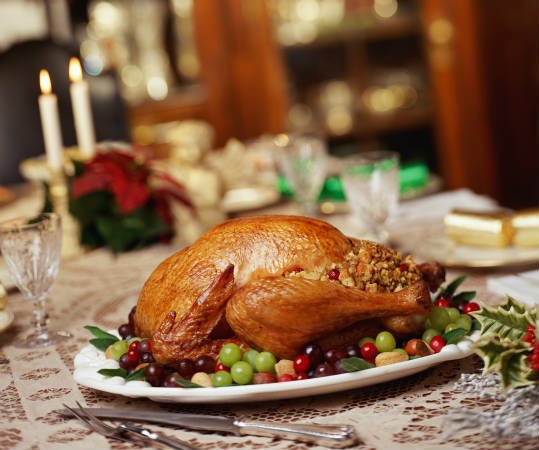
Christmas is a time of joy and happiness. However, this is soon forgotten when you’re fighting for TVs in Tesco / queuing for the Christmas turkey.
December sends us into panic mode. We need to buy the perfect present now.  To cope with the stress, we find comfort in our old friend, food. High-sugar, high-fat treats provide a warm – albeit temporary – sense of relief that everything’s going to be ok.  
Experts at Harvard Health say our sudden need for food during stressful times is caused by the hormone cortisol, which increases our appetite and makes us reach for the chocolate.
To avoid this trigger, take a step back. Christmas is supposed to be an enjoyable time so try not to worry. Plan, budget and don’t set expectations too high. Instead, dedicate your time to having fun with family and friends.

Tiredness

Christmas can sometimes up the workload, resulting in extra long days at the office and sleepy eyes. Rather than feeling super-festive, you’re desperate for an early night. And to make matters worse, tiredness is a common hunger trigger.
Scientists believe that those who sleep less tend to eat more. A study conducted by Andrew Calvinof the Mayo Clinic found that those who were sleep deprived consumed 550 more calories a day.  We over compensate for our lack of energy by eating sugary foods. Not only that, when we’re tired we tend to ditch cooking healthy meals in favour of takeaway and junk food.
Beat the need to snack by leaving the office on time and getting your 7-8 hours of sleep. It can impact your diet more than you realise. 

Boredom

Eating when bored happens to the best of us, especially at Christmas. You’re surrounded by your favourite foods; cheese, crackers, chocolate biscuits – it would be rude not to.
However, this is where the holiday weight creeps in. December 25th arrives and there’s nothing to do but put your feet up, watch festive films and eat your way through delicious foods.
If you can resist temptation, this is the perfect hunger trigger to try and beat. Ask family and friends to hold back on buying chocolate, avoid large portion sizes and be aware of ‘mindless’ eating. We tend to forget moderation at Christmas, and can pile on the pounds without even noticing.  

Winter Blues

Feeling down in the dumps is a good enough reason to reach for Christmas snacks. It’s cold, dark and we can’t wait for summer to come back. However, feeling sad during this season is serious business – don’t let sugary foods be your only source of comfort.
If you’re feeling low, call up an old friend. Time with your nearest and dearest is a guaranteed mood booster – as they say, a problem shared is a problem halved. Alternatively, dig out the gym gear and exercise. This not only helps you maintain a healthy weight over Christmas, but it also releases endorphins (happy hormones) that make you feel great about yourself.

Merriment

During December, our social calendar is packed with office parties and Christmas catch-ups. And not surprisingly, many of us tend to put on a little extra weight. The season dictates that we must have an amazing time – so prepare yourself for mince pies and mulled wine aplenty!
The key with this hunger trigger is to limit yourself. Amidst festivities, it’s hard to say no. As we all know, Christmas can get notoriously boozy. And whilst alcohol carries serious health risks, it’s also secretly calorific. One pint of beer for instance, is 180 calories.
And then there’s the hangover. The only way to wake up from the rotten headache and terrible tiredness is with a big greasy fry up. Christmas parties are the gift that keeps on giving – lots of calories.
Our advice? Take the healthy option once in while. Swap the glass of wine for a pint of water, share the wealth (selection boxes included) and try to make those Christmas treats last longer than Boxing Day.