Saturday, 4 April 2015

Healthy Holidays

image

Holidays are all about being carefree and relaxed, but don’t forget to look after your health. A few minutes preparing could make the world of difference when you’re away, says Lisa Salmon
After packing shorts, T-shirts and sunglasses for that long-awaited sunshine holiday, don’t forget another essential for your summer family getaway – a well-stocked first aid kit.
Looking after your health, both by packing medical essentials and taking sensible precautions to avoid falling ill while you’re away, could make all the difference between a brilliant break and a holiday from hell.
Research from health supplements company Nature’s Best suggests that more than half of holidaymakers (54%) get a tummy bug with diarrhoea and vomiting while they’re away, while 33% have had constipation during their holiday, and a third have suffered from itchy and sore prickly heat rashes.
“You really don’t want health problems ruining your holiday,” says Dr Imran Rafi, chair of clinical innovation and research at the Royal College of GPs. “It’s important to think about prevention from the outset, before you go on holiday, and to take sensible precautions to avoid discomfort and/or illness and sickness.”
TUMMY TROUBLE
Stomach bugs, causing diarrhoea and/or sickness, are one of the most common holiday health problems. Dr Rafi says it’s Important that precautions are taken, particularly in areas with poor sanitation.
“People with low immune systems, children and older adults are particularly at risk through contaminated water and unsafe food, which increase the risk of illness,” he says. “So drink water that’s been boiled, avoid ice in drinks, and eat freshly prepared food that’s served hot where possible.”
Dr Roger Henderson, a GP, says diarrhoea is typically caused by irritation of the gut or viral and bacterial infections, frequently picked up from food or drinks consumed on holiday.
“Additionally, holiday stomach bugs can often spread easily in places where hygiene practices aren’t the standard we’re used to, and commonly in resorts or cruise ships where there are large numbers of holidaymakers.”
He warns that while diarrhoea is usually thought of as a mild condition, it can quickly become serious due to dehydration. Children, teens and the elderly are particularly at risk, as loss of fluids and salts affects them more quickly.
Dr Henderson suggests travellers pack oral rehydration sachets to help combat the effects of diarrhoea if necessary
CONSTIPATION
A third of people are thought to suffer from constipation on holiday, and it can be upsetting and uncomfortable. “A change in time-zones, variable eating habits with lack of fibre, lack of fluid in hot climates and lack of exercise can all contribute, and by concentrating on these factors, constipation can be avoided,” says Dr Rafi.
A simple trick is to make sure you’re drinking more water when you’re in warmer climates, to make up for body fluids lost through sweating. Also, eating high-fibre foods including fruit, vegetables and cereals during your trip can help (though make sure you wash fruit in bottled water if you’re in an area with unsafe tap water).
Laxatives may be available over the counter if the problem is particularly bad.
SICK OF TRAVELLING
Travel or motion sickness is a temporary disturbance of the balance and equilibrium system based deep in the inner ear, explains Dr Henderson, due to the repetitive, rhythmical movements associated with being on an aeroplane or in a boat or car.
Symptoms include turning pale, nausea and vomiting, loss of appetite and dizziness. Sometimes people may experience headaches and feeling exhausted too.
Here are Dr Henderson’s top tip to help avoid the problem:
:: Don’t eat before travelling, and avoid fizzy drinks.
:: Don’t read during the journey.
:: Try to focus on a fixed object in the distance, such as the horizon.
:: Get some fresh air, and avoid smoke.
:: Sit in the middle of the boat or aircraft where the motion is felt least.
:: Anti-sickness tablets taken an hour before travel often help, but may cause drowsiness.
:: Natural treatments include ginger, and wearing acupressure bands on the wrists.
BURNING PROBLEM
Suncare
Suncare
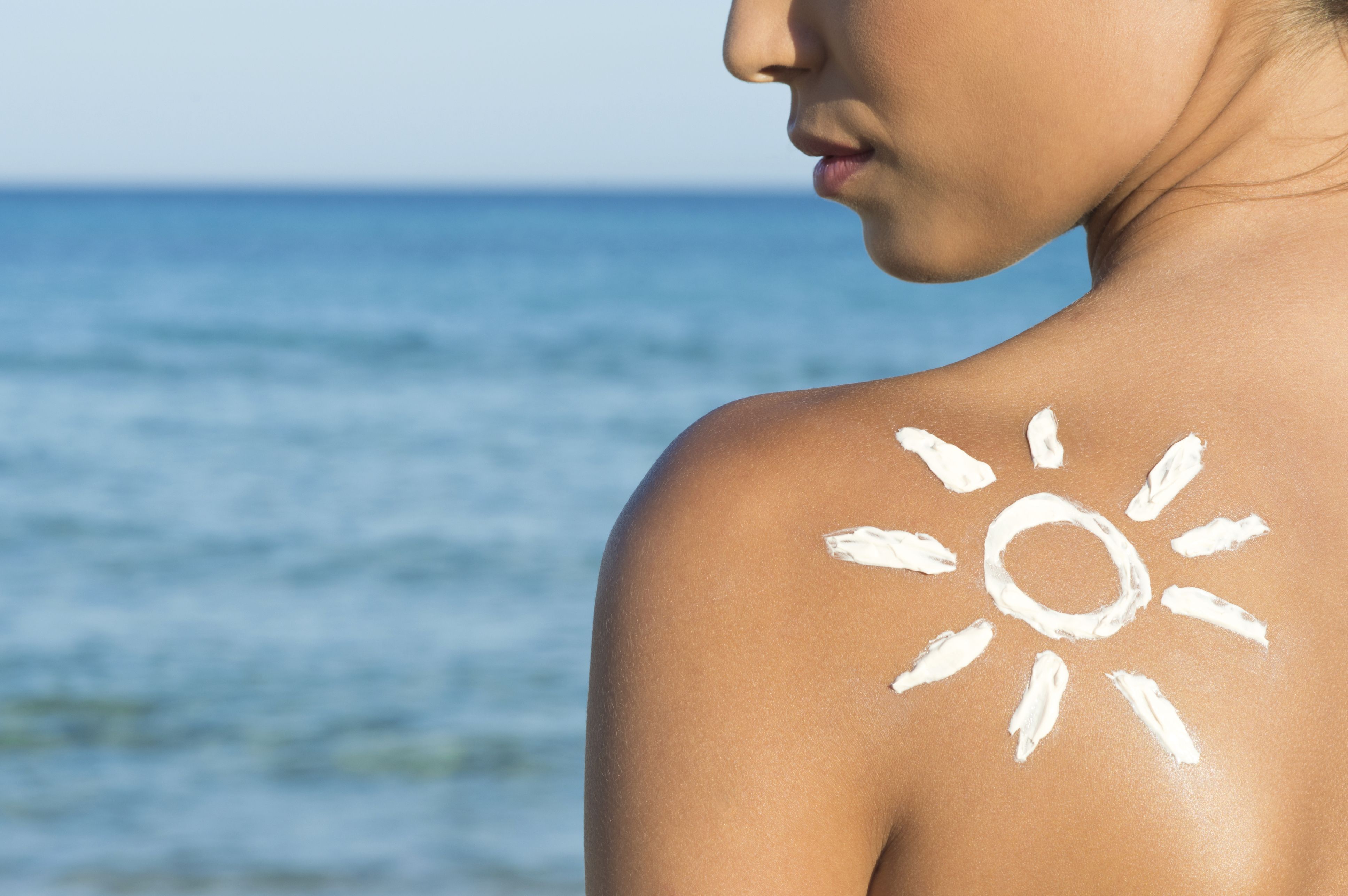
Most people are aware of the damage too much sun can do to the skin, including cancer and premature ageing, yet many ignore the warnings and often end up with painful sunburn which can ruin a holiday.
The worst pain usually occurs six to 48 hours after sun exposure, and the skin often peels off a few days later.
“Avoid being outside between 11am and 3pm when the sun is at its strongest, and always use sunscreen with a minimum skin protection factor (SPF) of at least 15 before going outside into the sun,” says Dr Henderson.
It’s advisable to use sun cream with higher SPF for children, and adults with naturally fair skin. Dr Rafi notes that these offer longer protection, but they still need to be reapplied regularly, particularly after swimming.
Pack some after sun lotion or cooling gel, so you have something soothing on hand, should anybody be caught out.
ONCE BITTEN
Generally, insect bites are merely an itchy annoyance, but sometimes they can cause serious illnesses. Mosquito bites, for instance, can cause yellow fever (for which pre-holiday vaccinations are available) or malaria (anti-malarial tablets can be taken before and during travel).
Contact your GP around eight weeks before travelling to check whether vaccinations or other preventive measures are needed for the country you’re going to. 
“Presentation of symptoms may be delayed for many months after returning back home from a malaria-affected country,” warns Dr Rafi, who advises that air conditioning, bed nets, insect repellents and staying covered up by wearing trousers and long-sleeved clothing may help reduce the risk of being bitten.
If you’re not travelling in a malaria-risk zone, it’s still worth being bug-aware. It’s estimated that nearly half (48%) of holidaymakers get bitten or stung while away. “There’s no doubt in my mind that some people seem to be tastier than others to biting insects,” Dr Henderson notes.
Bites can be treated by washing the affected area with soap and water and then applying a cold compress to reduce swelling. Try not to scratch the bite, as this can lead to infection.
If the bite’s painful, paracetamol or ibuprofen may help, or use a spray or cream that contains local anaesthetic, antihistamine or mild hydrocortisone (1%) to help prevent itching and swelling.
If a person has an allergic reaction to a bite, the area may become very inflamed and swelling may spread. Seek medical advice if concerned and take an antihistamine tablet if necessary.
PRICKLY HEAT
Prickly heat is usually caused by blocked sweat glands, with the excessive sweat under the skin causing a local skin reaction which appears as red, itchy, raised spots, says Dr Rafi. To avoid the uncomfortable condition, he advises holidaymakers wear loose cotton clothing and reduce exposure to heat. Those prone to the rash may find the use of steroid creams, such as hydrocortisone, helpful. Soothing barrier creams, and antihistamine tablets may also help.
FIRST-AID ESSENTIALS
Dr Henderson recommends packing plasters, fluid replacement sachets, paracetamol, antihistamines, antacids, antidiarrhoeals, antiseptic, anti-inflammatory creams and anti-nausea tablets as part of a holiday first-aid kit.

Friday, 3 April 2015

9 Health Mistakes Women Don’t Realise They’re Making

Attention ladies; even if you think you’re a fitness and diet guru, we guarantee you’ll be making some of these health mistakes without even realising it.
Cut out these bad habits and you’ll be healthier before you know it.
9 Health Mistakes Women Don’t Realise They’re MakingUnhealthy friends?

Having unhealthy friends

Who you’re friends with can have a big influence on your health without you even realising.
Research published in the New England Journal of Medicine compared obesity to a virus. When your friends gain weight, you’re more likely to gain weight yourself.
That doesn’t mean you need to ditch your friends as soon as they put on a couple of pounds – study author Dr Nicholas Christakis suggests instead taking cues from your healthier friends.

Only relying on cardio

“I can’t work out with weights because I don’t want to bulk up!” you proclaim as you follow the familiar route to the treadmill for the thousandth time. But is there any truth behind this popular excuse?
In short, no.
Far from bulking you up, building muscle will help you to shed the pounds. Experts estimate that for every pound of muscle you gain, you’ll burn an extra seven -13 calories per day.
Any fears you have of looking like She Hulk can be put to bed. Because of lower levels of testosterone, women don’t bulk up anywhere near as quickly as men.

Overusing social media

We all enjoy a sneaky Facebook stalk every once in a while, but do it too often and you could become depressed, according to researchers in Germany.
They found that overuse of Facebook can pose a serious risk to our mental wellbeing.
Checking out other people’s holiday photos was the major culprit, with one in three study participants reporting that this made them feel depressed or lonely.
Twitter is no better, with a University of Vermont study finding that Twitter users gradually become more stressed and unhappy the more they use the site.

Relying on diet products

When your sweet tooth is crying out for sugar, it can be tempting to turn to sugar-free diet options. Sadly these substitute snacks aren’t as guilt-free as you’ve been led to believe.
In place of sugar, manufacturers will often use nasty artificial alternatives to provide that sweet taste.
Aspartame, commonly found in diet drinks, was found to increase your risk of obesity by 41 per cent in a University of Texas Health Science Centre study.
Psychologists in a separate study at Cornell University observed that phrases like ‘sugar-free’ can subconsciously trigger overeating. In some cases, this meant people ate twice as many calories as they would have done if they opted for the full-sugar version.Don't become fixated on your abs (REX)Don't become fixated on your abs (REX)

Focusing on stomach toning

All too often we become fixated on trying to develop a rock hard stomach by performing endless crunches. If this sounds like you, you’re wasting your time.
Want to know just how useless crunches are? A Men’s Health study found that you’d have to do a staggering 22,000 of them to lose just a pound of fat off your stomach.
If you want to lose weight, focus on high intensity interval training instead.
HIIT increases your metabolic rate for up to 24 hours after you exercise, and boosts fat oxidation.

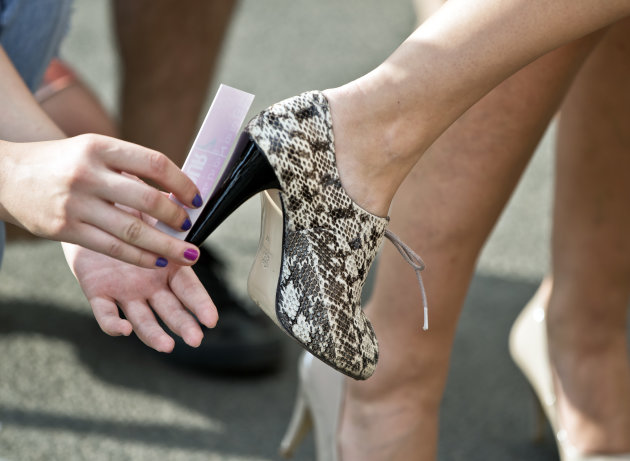
Wearing high heels too often

Who can resist a pair of killer hills for accentuated legs and an instant confidence boost?
Wear them too frequently however, and your feet won’t be thanking you.
Wearing four-inch heels increases the pressure on your feet by around 30 per cent, leading to damaged tendons, reduced circulation and bone and nerve deterioration.Swap heels for flats occasionally and your feet will thank you (AP)Swap heels for flats occasionally and your feet will thank you (AP)

Not getting enough calcium

A recent survey conducted by Creighton University Medical Centre showed that 85% of women don’t get enough calcium per day, which leads to an increased risk of osteoporosis.
It’s recommended that women between the ages 19 to 50 need a daily calcium intake of 1,000mg.
Topping up on calcium is easy with dairy products like milk and natural yoghurt. If dairy doesn’t agree with you, you’ll also find high levels of calcium in fish such as salmon and sardines and even leafy veg.

Using electronics before bed

That one last game of Candy Crush you squeeze in before you hit the hay could be ruining your sleep pattern, if researchers in Sweden are to be believed.
They observed that people who use mobile phones or tablets directly before going to sleep found it harder to doze off, causing lasting health issues.
As well as displaying signs of insomnia, these pre-sleep tech-addicts suffered from headaches throughout the day.

Eating what your date eats

Next time you’re on a hot date, psychologists suggest you need to spend more time checking what’s on your plate than staring into your partner’s eyes.
University of Birmingham researchers have discovered a link between new relationships and weight gain, particularly in women.
According to their findings, when dining with a new partner you subconsciously mirror their portion sizes, which can lead to weight gain if they eat more than you’re used to.

Lower your cholesterol

Eating a healthy diet and regular exercise can help lower the level of cholesterol in your blood.
Adopting healthy habits, such as eating a healthy balanced diet and exercising, will also help prevent your cholesterol levels from becoming high in the first place.
It's important to keep cholesterol in check because high cholesterol levels increase your risk of heart disease and stroke.
If you're concerned about your cholesterol, talk to your GP.
Download Losing weight - Getting started, a 12-week weight loss guide combining advice on healthier eating and physical activity

Foods containing cholesterol

Some foods contain cholesterol. This type of cholesterol is called dietary cholesterol. Foods such as kidneys, eggs and prawns are higher in dietary cholesterol than other foods.
The cholesterol found in food has much less of an effect on the level of cholesterol in your blood than the amount of saturated fat that you eat. 
If your GP has advised you to change your diet to reduce your blood cholesterol, the most important thing to do is to cut down on saturated fat. It's also a good idea to increase your intake of fruit, vegetables and fibre.

Fats and cholesterol

There are two main types of fat – saturated and unsaturated. Eating foods that are high in saturated fat can raise cholesterol levels in the blood. Most people in the UK eat too much saturated fat.
Foods high in saturated fat include:
  • meat pies
  • sausages and fatty cuts of meat
  • butter
  • ghee
  • lard
  • cream
  • hard cheese
  • cakes and biscuits
  • foods containing coconut or palm oil
Eating foods that contain unsaturated fat instead of saturated fat can actually help reduce cholesterol levels.
Try to replace foods containing saturated fats with foods that are high in unsaturated fats, such as:
  • oily fish (such as mackerel and salmon)
  • nuts (such as almonds and cashews)
  • seeds (such as sunflower and pumpkin)
  • vegetable oils and spreads (such as sunflower, olive, corn, walnut and rapeseed oils)
Trans fats can also raise cholesterol levels. Trans fats can be found naturally at low levels in some foods, such as those from animals, including meat and dairy products.
Artificial trans fats can be found in hydrogenated fat, so some processed foods such as biscuits and cakes will contain trans fats.
As part of a healthy diet, try to cut down on foods containing trans fats or saturated fats and replace them with foods containing unsaturated fats.
You should also reduce the total amount of fat in your diet. Try microwaving, steaming, poaching, boiling or grilling instead of roasting or frying. Choose lean cuts of meat and go for low-fat varieties of dairy products and spreads, or eat just a small amount of full-fat varieties.

Fibre and cholesterol

There are two different types of fibre – soluble fibre and insoluble fibre. Most foods contain a mixture of both.
Soluble fibre can be digested by your body (insoluble fibre cannot), and it may help reduce the amount of cholesterol in your blood.
Good sources of soluble fibre include:
  • oats
  • beans
  • peas
  • lentils
  • chickpeas
  • fruit and vegetables
Try to include more of these foods in your diet. Aim to eat at least five portions of fruit and vegetables each day. Find out more about eating 5 A DAY.

Cholesterol-lowering products

There's evidence that foods containing certain added ingredients, such as plant sterols and stanols, can reduce levels of cholesterol in the blood.
Sterols and stanols can be found in specially developed products, such as some spreads and yoghurts.
These foods are aimed at people who need to lower their cholesterol levels. People who don't have high cholesterol shouldn't eat these products regularly, particularly children and pregnant or breastfeeding women.
If your doctor has told you that you have high cholesterol, you can lower it by changing your diet without having to eat special products.
If you do eat foods that are designed to lower cholesterol, read the label carefully to avoid eating too much.

Get active

An active lifestyle can also help lower cholesterol levels. Activities can range from walking and cycling to more vigorous exercise, such as running and dancing.
Doing 150 minutes of moderate-intensity aerobic activity every week can improve your cholesterol levels.
Moderate-intensity aerobic activity means you're working hard enough to raise your heart rate and break a sweat.
One way to tell whether you're working at a moderate intensity is if you can still talk but you can't sing the words to a song

Thursday, 2 April 2015

Feel The Heat

image

Fancy a hike in the sunshine? A few sensible precautions to prevent heat exhaustion and heatstroke will go a long way
With British summers so unreliable, it’s no wonder many of us are keen to make the most of the sunshine when it shows up, and a leisurely walk – or a strenuous hike – is a great way of getting outdoors into the fresh air.
But slapping on the SPF to protect your skin isn’t the only health concern to be aware of; it’s important to consider the risk of heat exhaustion and heatstroke too.
These conditions are directly linked with body temperature, so they can occur in any scenario where there’s sufficient heat – sitting in hot, stuffy cars is notoriously dangerous – but they should be a prime concern for anybody thinking about undertaking exercise, even if that’s just a gentle hike, on a hot day.
So what exactly are heat exhaustion and heatstroke?
Many of us will have experienced heat exhaustion at some point; chances are you felt unwell, utterly drained of energy, agitated and even a bit panicky.
It occurs when a loss of body fluids and salts, due to exposure to heat, causes a sufficient decrease in blood pressure and blood volume.
“Someone with heat exhaustion may feel hot, sick, faint and sweaty,” says Dr Annabel Bentley, medical director at Bupa UK. “Help move them to a cool area, loosen tight clothing and give them some water. They should start to feel better within half an hour or so.”
Heatstroke, on the other hand, is a medical emergency, and it’s vital that somebody with suspected heatstroke is given urgent treatment or organ damage, and even death, may occur.
It happens when a person’s temperature is so high that their body’s cooling system stops working, which basically means they can no longer sweat – this is a key indicator for heatstroke.
So look out for dry skin with no sweat; a person may also display signs of mental confusion, vertigo, rapid shallow breathing (hyperventilation), muscle cramps, nausea and vomiting, loss of consciousness and even fits.
Spot these symptoms and you should dial 999 immediately. In the meantime, moving them to a cool, ventilated area, giving them some water to drink if they’re conscious (but don’t give any drugs or painkillers), and showering their skin in cool – but not freezing cold – water, or applying damp, cool towels, can help.
So while heat exhaustion is far more common and not as serious, it still needs to be addressed with attempts to cool down, or it could eventually develop into heatstroke.
Also, certain people may be more at risk of adverse reactions to heat.
“People who are more at risk include babies and young children, the elderly and those with existing medical conditions like heart problems or diabetes,” adds Bentley.
If you are thinking of heading off for a long walk or hike in the sunshine, preparing for the heat is vital – starting with hydration.
“Our bodies work a bit like a combustion engine and if they overheat, they can’t function,” says Nuffield Health physiologist Jessica Bonstein. “Sweating is the natural means by which the body cools itself. It’s important that when exercising in the heat, people stay well hydrated to facilitate the safe loss of bodily water through sweating.”
There’s no official guideline about how much additional water you may need for each extra degree on the thermometer, but little and often is a good place to start.
“The rate at which heat begins to have an adverse affect can happen very quickly,” notes Dr Emma Derbyshire, a leading nutritionist and advisor to the Natural Hydration Council. “People can lose about two to four litres of fluid within an hour. Some of that depends on other factors like age, temperature, body size and sex, but you can lose up to four litres an hour which is quite a lot, so it’s definitely important to make sure you take in enough fluid, and what’s best is to make sure you have small amounts and often, about 250ml every 20-30 minutes is a good guide.
“If you’re doing a race or hike and don’t drink for 45 minutes or an hour, and then guzzle down lots of fluid later on; you really want to avoid doing that. Pacing your intake is better for helping you avoid dehydration and heat exhaustion.”
It’s advisable to have water as your first-choice drink, and water alone is usually sufficient if your activity lasts for an hour or less. If you’re on a longer walk or hike, you may want to top up energy reserves with a sugary or fruity drink or isotonic sports drink to replace lost electrolytes.
Rehydrating after you’ve finished your activity is useful too. A good way to find out just how much water you’ve lost is to weigh yourself before and after, which shows how much fluid you’ve lost – then drink that amount; 1kg of weight equals 1L of fluid.
Also important is ensuring you wear appropriate clothing and a wide-brimmed sunhat (sunglasses alone won’t cut it), and be sensible – if you’re not in the best physical shape and know you don’t respond well to heat, heading out for a strenuous eight-hour walk on the hottest day of the year probably isn’t a good idea.
But remember, too, even the fittest of folk aren’t immune to the effects of heat.
“A person’s ability to cool themselves efficiently is relative to the climate they’re used to exercising in, so someone can be fit in a relatively temperate climate but suffer heatstroke when exercising in high temperatures,” says Bonstein.
Whether it’s a humid or dry climate will make a difference too. “The sweat rate in humid heat is greater than in dry heat, however dissipation of sweat, thus cooling, is more efficient in dry heat,” Bonstein adds.
If you’re going to be exercising in particularly challenging climates, acclimatise by building up resistance slowly – Bonstein advises a period of at least two weeks.
Cramps are a signal you’re very dehydrated, so don’t ignore them. “It’s fair to assume that most people experiencing cramp will stop exercising. However, some may stretch it out and carry on – bad idea!” notes Bonstein.
“Fainting due to the heat is common but has less to do with water loss and more to do with vasodilation and blood pooling, as the blood vessels near the skin dilate to allow for greater blood flow to the skin to cool off,” she adds. “Should you feel at all faint or light-headed, it’s advised to stop exercising and find some shade. If symptoms persist, call an ambulance as you may already be dehydrated and heatstroke may follow quickly.”

Wednesday, 1 April 2015

Why Is It Important to Detox Your Body?


Our bodies are exposed to toxic chemicals and fumes on a very regular basis. Many things that we encounter daily contain a wide variety of unnatural substances that penetrate into our cells by way of our lungs, digestive system, and even skin. Over the course of our lives, these chemicals have the potential to build in our system, creating an unnatural environment that slows cell functions and can eventually feed disease.

On the flip side, though, there are several ways in which one can overcome these negative effects. The body is already in a perpetual state of detoxification. For example, food enters and waste exits. This is the body's most natural and effective means of processing toxins out of the body so they don't continue to penetrate into your bloodstream. Everything that you do in addition to this can help ease the stress that the environment can induce on your cells.

A change of diet is the most drastic method of detoxification. By focusing on whole, clean foods, and limiting processed foods, you are taking a huge load off of your body and allowing for it to process and absorb proper nutrients. There are also a variety of supplements that can aid in the detoxification process. If you suffer from constipation, one of the most efficient ways to assist your body in ridding itself of toxins is to supplement with magnesium or fiber to make sure that things are moving through your body properly.

Creating a healthier body is important because it essentially allows for us to function at our best, and who wouldn't want to do that? The physical benefits from detoxification are perhaps the most drastic. Once toxins are removed from organs, such as the liver and intestines, they are able to function much more effectively. Your body's immune system will also function at its best, and your blood will also circulate and oxygenate better. You may also notice that your body odor improves, as does morning breath.

Overall, a detox will most likely make you feel "lighter" and refreshed from a physical perspective. This will translate to a mental clarity that allows for much more efficient brain function. Detoxification can help with insomnia, fatigue, concentration, and with the elimination of common "brain fog". The only way to truly experience these benefits is through actual detoxification, and while it may seem overwhelming, even small steps toward a cleaner body can yield noticeable results.


http://ezinearticles.com/?Why-Is-It-Important-to-Detox-Your-Body?&id=8132895